Hareruya Pros Blog
Pioneer
Feels Like a Modern Deck!? Pioneer Land Combo: Lumra Scapeshift Deck Guide

Piotr Glogowski
Hareruya Pros Blog
Pioneer
Piotr Glogowski

Pioneer might be past its golden age. Who knows if we’ll ever see another Pioneer RCQ season, but if we look past the memes about the format’s death, it’s still often a part of the Magic Online MOCS circuit.
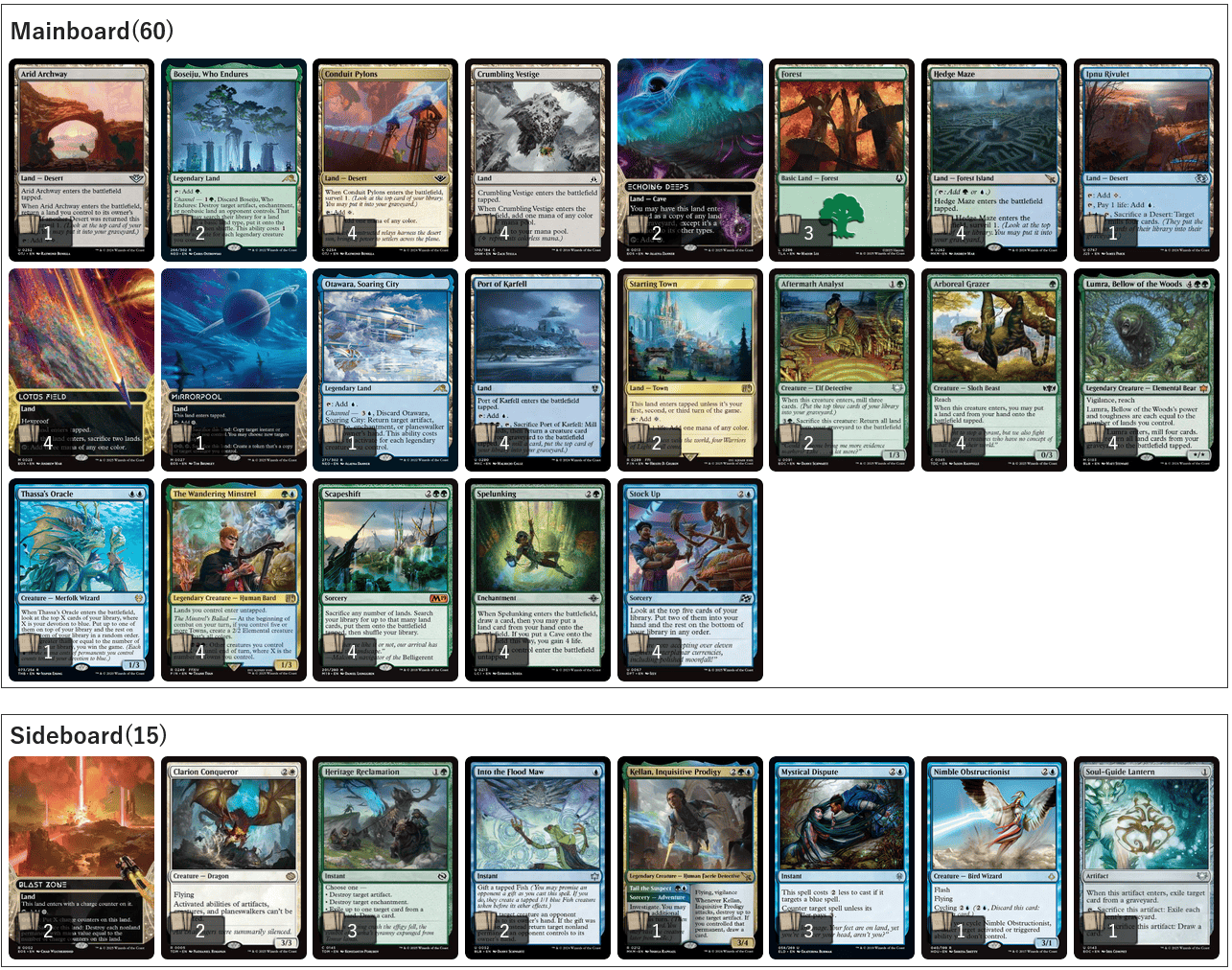
Given that, I keep engaging with the format, and I have found a fun and powerful deck which became my default choice – Simic Lumra. A few weekends ago, I took this list to a top 4 finish at a Pioneer Showcase Qualifier.
This combo deck can assemble a very hard-to-interact-with loop as early as turn three. Let’s go through the basic workings.
The basic loop is simple. You need:
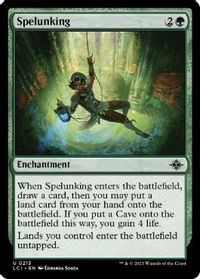
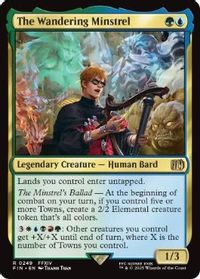
– 《Spelunking》 or 《The Wandering Minstrel》 in play.
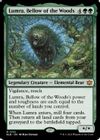
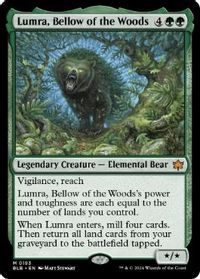
– 《Lumra, Bellow of the Woods》.
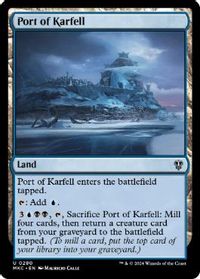
– 《Port of Karfell》.
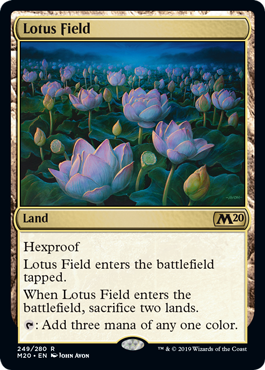
– Two 《Lotus Field》.
Two 《Lotus Field》 produce six mana, which is exactly enough to activate 《Port of Karfell》. Activate your 《Port of Karfell》 to return your 《Lumra, Bellow of the Woods》. Use 《Lumra》‘s triggered ability to return your lands. Repeat.
You need to ensure that you have a 《Lumra, Bellow of the Woods》 in your graveyard. Occasionally, you can sacrifice all your lands to your 《Lotus Field》. Your 《Lumra》 will become a 0/0 and go to the graveyard, ready to be reanimated again.
More often, realistically, you won’t be able to sacrifice all of your lands. In that case, you need a second 《Lumra, Bellow of the Woods》. Take advantage of the legend rule and put one of our 《Lumra, Bellow of the Woods》 in your graveyard.
The requirement of two 《Lotus Field》 and two 《Lumra》 might sound hefty, but it’s really not in practice. Every 《Lumra》 trigger and every 《Port of Karfell》 activation will mill four cards. Every 《Lumra》 will return the extra lands you happened to have milled.
Once you start casting 《Lumra》, you will quickly dig through your deck. Often, you will just play our 《Lumra》, and after returning 《Lumra》 in a non-deterministic way a few times, you’ll get there.
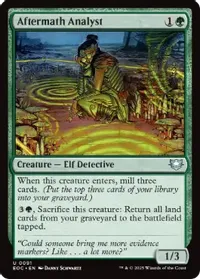
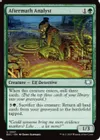
《Aftermath Analyst》 can substitute for 《Lumra, Bellow of the Woods》 if you can produce enough mana per loop. You will need at least two 《Lotus Field》 and two 《Crumbling Vestige》 to power the 《Aftermath Analyst》 loop, but three 《Lotus Field》 will do the job as well. It can sacrifice itself, so you don’t need any extras.
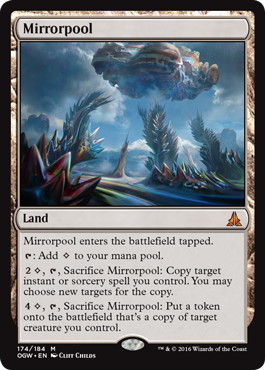
《Mirrorpool》 can substitute for 《Port of Karfell》 and alleviates the need for the second 《Lumra》. Be wary of creature removal, as it can break this loop. Also, be careful about your land count – if 《Mirrorpool》 is your last one, sacrificing it to target 《Lumra》 will cause 《Lumra》 to fall to 0/0 and die instantly. Sometimes you’ll need to respond to your 《Lotus Field》 sacrifice triggers.
Once you mill your deck, you can keep reanimating 《Lumra》 with 《Port of Karfell》, returning all of your 《Lotus Field》. You can easily announce a loop that produces infinite mana with 《Lotus Field》. You can also return every land from your graveyard any number of times you wish.
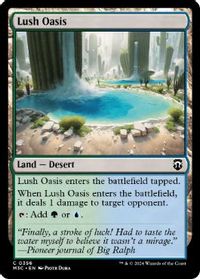
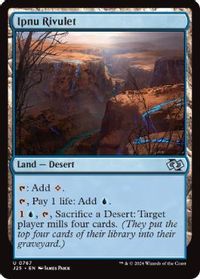
Eventually, you can keep returning a 《Lush Oasis》 or 《Ipnu Rivulet》 over and over, pinging your opponent down or milling their deck. Online, where a solid chunk of the Pioneer play seems to be happening, that win condition is very time-consuming.
On Magic Online, there’s a real risk of timing out, especially over the course of a drawn-out three-game match. On Magic Arena, beating the rope with 《Lush Oasis》 is pretty inconsistent, and I’ve heard conflicting reports from players brave enough to try.
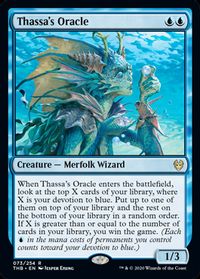
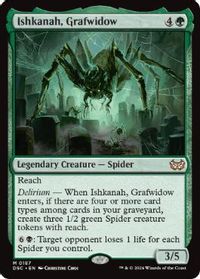
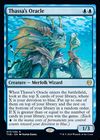
It is no surprise then that online, you’ll often see players running a dedicated win condition slot. 《Thassa’s Oracle》 is a simple one – reanimate it with 《Port of Karfell》 to win instantly after milling your deck. I used 《Ishkanah, Grafwidow》 as well, as it can be faster than 《Thassa’s Oracle》 if you manage to mill it early – you could win without needing to mill over your entire deck. It’s also arguably a better draw… as long as you can gain Delirium, which is actually really hard for my decklist. Only run 《Ishkanah, Grafwidow》 if you also run 《Cache Grab》.
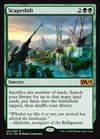
As I mentioned earlier, blindly casting 《Lumra》 with an untapper in play will often accidentally lead you to victory. But if you want a deterministic way to assemble the loop instantly, you need to use 《Scapeshift》.
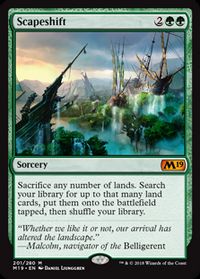
Unlike Modern, Pioneer doesn’t have 《Scapeshift》 lines that just win with a few lands and no need for other resources. Ideally and realistically, you’ll be aiming to 《Scapeshift》 with an 《Aftermath Analyst》 or 《Lumra, Bellow of the Woods》 in hand or in graveyard.
A common three-land 《Scapeshift》 line with a 《Lumra》 in hand will be two 《Lotus Field》 and 《Port of Karfell》. You will produce enough mana to play your 《Lumra》 and reanimate it at least once. Chances are, in the twelve fresh cards you milled, you will assemble the full loop.
Scapeshifting with more lands lets you find more 《Lotus Field》 or Surveil lands to give you a better chance at finding the second 《Lumra》 or 《Aftermath Analyst》 and securing the loop.
When you 《Scapeshift》 with no 《Lumra》 in hand or graveyard, things get interesting. Without a 《Tolaria West》-like tool to tutor your 《Lumra》, you will need to get scrappy.
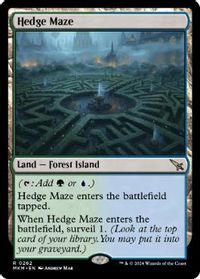

One of your default options is to get surveil lands. At four or five lands, grabbing 《Port of Karfell》, two 《Lotus Field》, and a 《Hedge Maze》 or two lets you look at more cards before resolving your 《Port of Karfell》. The amount of surveil lands you can find has to be compared against your ability to produce four extra mana. Oftentimes, the odds are more favorable if you are looking at fewer cards, but 《Aftermath Analyst》 is also a viable hit. Remember to account for that.
At six or so lands, you could get four 《Lotus Field》 and two 《Port of Karfell》, leaving you with eight looks for 《Lumra》 and four looks for 《Aftermath Analyst》.
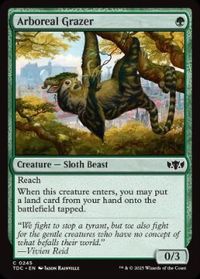
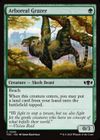
The core of the deck is very sound – a playset of 《Arboreal Grazer》, 《The Wandering Minstrel》, 《Spelunking》, 《Scapeshift》, and 《Lumra, Bellow of the Woods》 – but doesn’t fill out an entire decklist. You won’t see those slots contested much amongst the decklists, but the last few support slots can vary a lot.
《Spelunking》 is the single best card in the deck. You need a land untapper to win, and unlike 《The Wandering Minstrel》, 《Spelunking》 is not vulnerable to creature removal. Casting one is the single biggest victory predictor. Following that train of thought, it’s reasonable to use two-mana cantrips to help you find 《Spelunking》 more often.
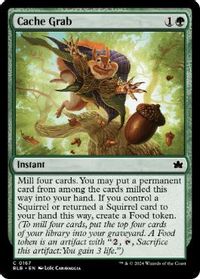

《Cache Grab》 and 《Impulse》 are both reasonable options I tried. 《Cache Grab》 is better at powering your scrappy 《Lumra》, while 《Impulse》 lets you find 《Scapeshift》 – a unique effect you’ll often be looking for. Those two-mana dig spells are fine, but the dream curve of hitting and playing a 《Spelunking》 on turn three doesn’t often materialize in practice. 《Arboreal Grazer》 and taplands can often mess up your perfectly planned curve one way or another.
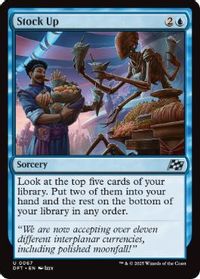
《Stock Up》 is my favorite middle-ground, compromise option. It’s a way to dig for your 《Spelunking》 and 《Scapeshift》, but it’s also a great topdeck against 《Thoughtseize》 decks and a must-counter against blue disruptive decks. 《Spelunking》 can be too slow against some of the more aggressive decks, but ever since the 《Heartfire Hero》 ban, I find most of Pioneer to be more on the disruptive side, and I’m not too worried about that.
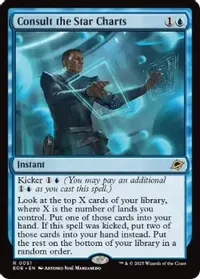
A surface-level analysis would make you think 《Consult the Star Charts》 is a great tool in your land-based combo deck. In reality, it’s a bad cantrip on turn two, and its direct antisynergy with 《Lotus Field》 makes it take ages to become stronger than 《Stock Up》. I would avoid this one.
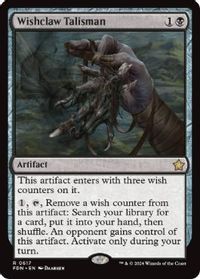
The ultimate selection spell that some 《Lumra》 players swear by is 《Wishclaw Talisman》. It will always find you the best card in every spot, but as usual, in most games it’s unwise to actually use the 《Wishclaw Talisman》 unless you are planning on winning on the same turn.
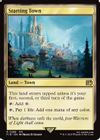
Your opponent only gets a single use, but they didn’t need to commit any cards or mana upfront, so it’s typically going to be stronger than yours. I’d be willing to not bat an eye on those downsides, but the black mana requirement is the fatal strike against the card. To play 《Wishclaw Talisman》, you’d need to fit more 《Blooming Marsh》 and 《Starting Town》 than I’m willing to put in my deck.
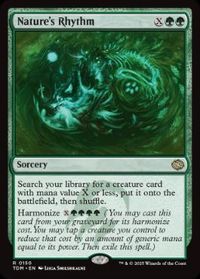
《Nature’s Rhythm》 is flexible, but weak. It can serve as both a Minstrel or a Lumra, depending on your needs, but tacking an extra two green mana on top of your creature means the card is very slow, while also not providing that much impact.
The nicest aspect of 《Nature’s Rhythm》 is being active from the graveyard. If you ever mill or surveil one to your graveyard, all of your 《Scapeshift》 are lethal if you can produce ten mana. The card pairs nicely with more 《Aftermath Analyst》 or 《Cache Grab》 to mill it over, but I wasn’t happy drawing it.
《Aftermath Analyst》 is slightly contentious. You’ll sometimes even see lists with zero! While 《Aftermath Analyst》 is definitely worse than 《Lumra, Bellow of the Woods》, mainly due to the extra cost you need to pay to activate its ability when using 《Port of Karfell》, I’ve found running a few copies to be very valuable.
Times and times again, you’ll find yourself digging and looking for that key 《Splendid Reclamation》 effect. Drawing multiples is not horrible either, as running your 《Aftermath Analyst》 early boosts your future ones by milling more lands, all while blocking a little bit and taxing your opponent’s removal, perhaps letting your key future 《The Wandering Minstrel》 survive.
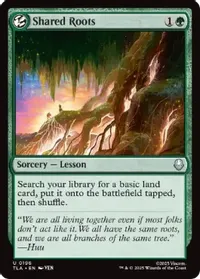
Avatar: The Last Airbender quietly brought 《Rampant Growth》 to pioneer. In a deck starved for one or two mana plays, ramping early can set you up to 《Scapeshift》 or 《Lumra, Bellow of the Woods》 that one key turn earlier. Unfortunately, the card is just fairly low-power these days.
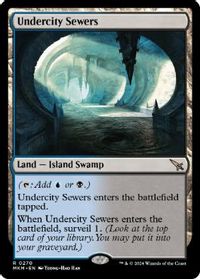
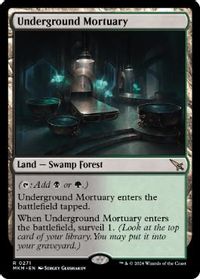
Frankly, filling those last slots is mostly about choosing the least embarrassing option. Having not found much success with most of the above, I’ve been playing around with increasing the land count and running more surveil lands. 《Undercity Sewers》 and 《Underground Mortuary》 are plausible options, but 《Conduit Pylons》 is a nice compromise if you want to keep your manabase somewhat untapped in the early turns.
As with every combo deck, the truly challenging part lies in playing around opposing interaction. Let’s go over some key cards you will need to defeat:
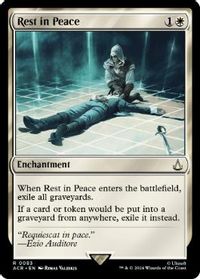
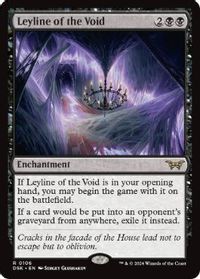
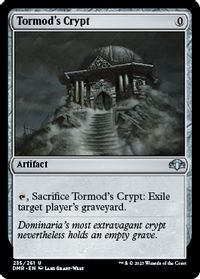
Graveyard hate breaks your loops. A 《Rest in Peace》 or 《Leyline of the Void》 will turn off the loop completely. 《Tormod’s Crypt》 needs to be used in response to your 《Lumra》, but you’ll be left needing to get very lucky with your mills.
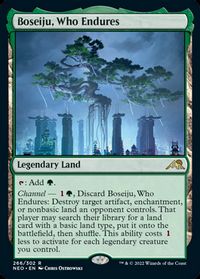
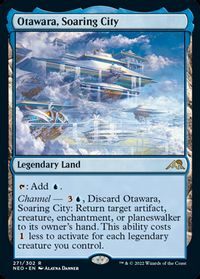

A common way to beat graveyard hate is to find a 《Boseiju, Who Endures》 or 《Otawara, Soaring City》 and an 《Arid Archway》. Bounce back your Channel land and use it before your 《Lotus Field》 sacrifice triggers resolve. That way, you should have enough resources to proceed with the loop soon. Beating 《Damping Sphere》 should be the same.
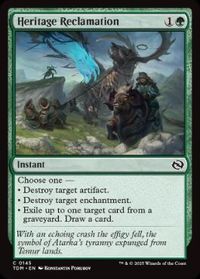
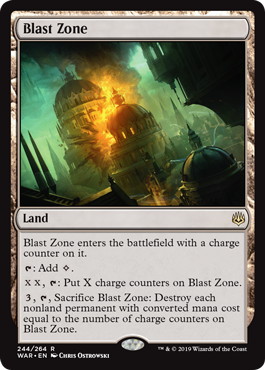
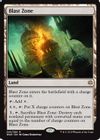
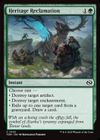
Otherwise, you can board in 《Heritage Reclamation》 or 《Blast Zone》 to deal with those enchantments. 《Heritage Reclamation》 cycles and 《Blast Zone》 is a land, so they both have a relatively tiny opportunity cost. 《Blast Zone》 is especially nice against decks that tend to run out of multiple hate pieces.
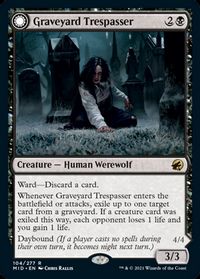
The existence of graveyard hate – especially maindeck one, like 《Graveyard Trespasser》 – pushes me towards playing two wincon cards in my maindeck. With just one, you risk your win condition getting milled and randomly exiled early, leaving you unable to actually win the game.
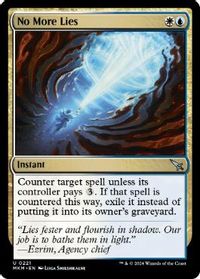
Countermagic doesn’t do a great job stopping your combo. Avoid playing out your 《Lumra》 without three extra mana to pay for 《No More Lies》. The existence of 《Port of Karfell》 will put your opponent in a horrible spot.
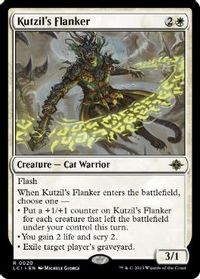
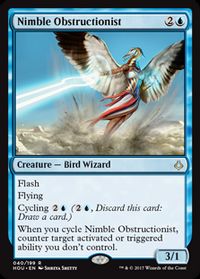
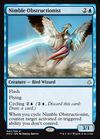
Oftentimes, blind end-of-turn activations of 《Port of Karfell》 will get you there. In post-board games, you’ll need to be careful not to expose yourself to 《Kutzil’s Flanker》. 《Nimble Obstructionist》 is expensive, but it can help you here. Nicely, neither 《Nimble Obstructionist》 nor a 《Port of Karfell》 activation leaves you open to countermagic. Realistically, you need to utilize the fact that 《Kutzil’s Flanker》 is not easy to hold up throughout the entire game.
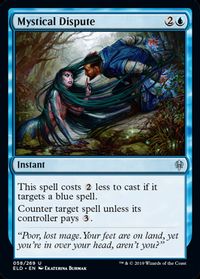
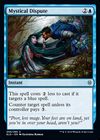
Post-board, 《Mystical Dispute》 makes playing through countermagic even easier. That said, as a general rule, the 《Lumra》 deck is not great at playing at instant speed, so I tend to 《Mystical Dispute》 draw spells proactively. It typically ends up working out okay.
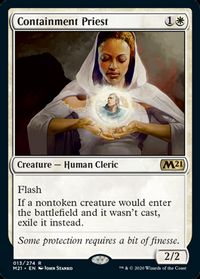
《Containment Priest》 makes 《Port of Karfell》 unusable. It’s also cheap and has flash, so bouncing it with 《Otawara, Soaring City》 doesn’t work too well.
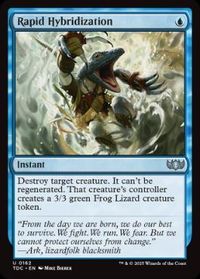
To beat 《Containment Priest》, you’ll need to set up the 《Lumra, Bellow of the Woods》 and 《Mirrorpool》 loop. Simic is not great at removing creatures, but if you are absolutely starved for removal, 《Rapid Hybridization》 is an option.
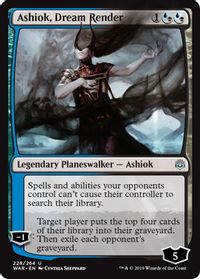
《Ashiok, Dream Render》 turns off your 《Scapeshift》 and is generally hard to beat. You can do it if you play a 《Lotus Field》 and 《Lumra》 and get lucky with the initial mills.

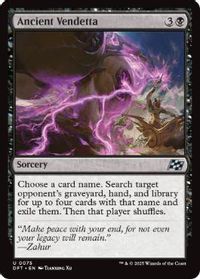
《Unmoored Ego》-style effects should most likely name your 《Lotus Field》. Even if you already have one in play, it’s going to be hard to sacrifice it. You can still win by manually activating a 《Port of Karfell》 or two every turn and eventually returning a 《Thassa’s Oracle》 once you’ve milled your deck. To do that, you need some black sources in your deck. 《Sunken Citadel》 or 《Conduit Pylons》 do the job.
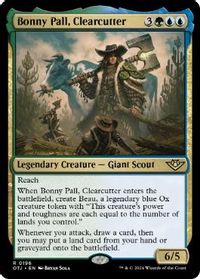
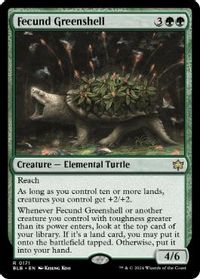
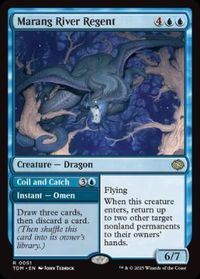
I’ve tried plenty – 《Bonny Pall, Clearcutter》, 《Fecund Greenshell》, and 《Marang River Regent》, to name a few – but they weren’t very effective. Simic has bad creature removal. It’s hard to play the control game with no removal, so in the end, it’s better to stick to your combo plan and fight through the hate.
No changes.
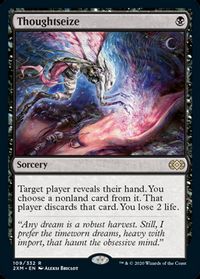
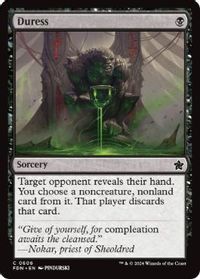
Most Rakdos decks don’t play hate cards you need to answer. Instead, they rely on a critical mass of their discard spells. Running a playset of 《Stock Up》 and plenty of surveil lands is the best way to beat discard, so my list is essentially preboarded here.

If your opponent runs 《Leyline of the Void》 or 《Ashiok, Dream Render》, I’d two 《The Wandering Minstrel》 and a 《Arboreal Grazer》 to fit 《Heritage Reclamation》 or 《Into the Flood Maw》.

Out
In
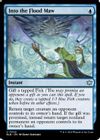
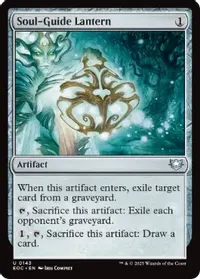
Most Red decks won’t have much in terms of actual hate, but you might need to play through a 《Soul-Guide Lantern》 or 《Tormod’s Crypt》 occasionally. Those cards are not enough to prompt me to bring 《Heritage Reclamation》, but they do make me choose to run 《Into the Flood Maw》 over 《Ephara’s Dispersal》, which I’d run otherwise.
Out

In
Out
In
Izzet Phoenix runs graveyard hate rarely enough that you can pretty comfortably rely on just a single wincon card. You could also trim more 《Arboreal Grazer》, 《The Wandering Minstrel》, or 《Aftermath Analyst》 and assume a more controlling role with 《Heritage Reclamation》.
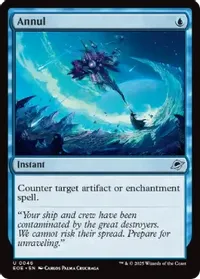
Either way, I’ve found the matchup to be pretty favored. Notably, 《The Wandering Minstrel》 is way better in post-board games, as your opponent will be forced to trim down on creature removal. Sometimes, you can even get them when they have been holding 《Annul》 the entire game.
Out
In
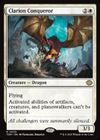
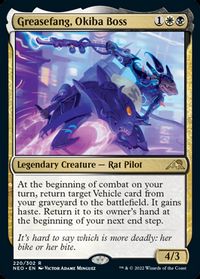
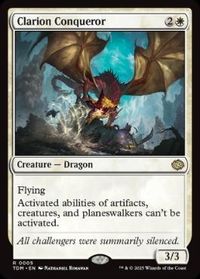
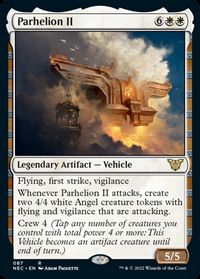
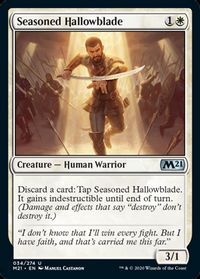
Greasefang pairs a quick clock with disruption, resulting in a problematic matchup. 《Clarion Conqueror》 leaves 《Parhelion II》 uncrewable and leaves their two drops unable to discard cards and trigger 《Monument to Endurance》, potentially buying you tons of time.
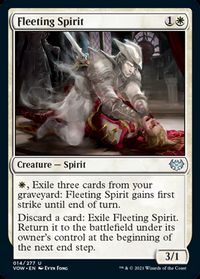
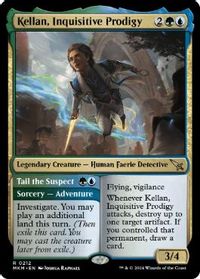
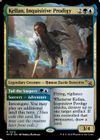
《Kellan, Inquisitive Prodigy》 can hide from discard spells in the adventure zone and blocks their 3/1s really well.
Discovering and delving into this deck actually left me eagerly waiting for opportunities to play the Pioneer format! A land-based combo deck based around 《Lotus Field》 loops?
As a long-time fan of Amulet Titan, the deck is certainly right up my alley, so if you have similar tastes, it should be a blast and I recommend you to give it a go.
Piotr Glogowski (X / Twitch / Youtube)
Piotr Glogowski Before his first Pro Tour top 8, Piotr "kanister" Glogowski was already extremely famous as a streamer. He kicked off the 2017-2018 season with an impressive record at Pro Tour Ixalan (8th place), then reached the Finals with his great teammates at World Magic Cup 2017. His talent was flourished after all, and he finished that season as a Platinum Level Pro.